I've seen the pattern plenty of times. A guy hits his 40s or 50s, realizes he doesn't feel as good as he used to, and decides it's time to get back in shape.
He finds a workout online, goes hard for a week or two, and then life gets in the way. Work runs late. Sleep gets short. His back starts complaining. Before long, he's right back where he started.
The problem isn't always a lack of effort. Often, it's a plan that ignores everything else going on in his life.
Your Body Doesn't Live in Separate Compartments
Training is a stress your body has to recover from. So are long workdays, poor sleep, insufficient food, and the demands of family life.
Resistance training works because we apply a manageable challenge, recover, and adapt. But piling intense workouts on top of a lifestyle that already leaves you depleted can make consistency harder.
A good program considers the full picture: your health, schedule, experience, nutrition, sleep, stress, and recovery.
You Can't Out-Train Every Habit
I've met plenty of men willing to spend money on supplements and fancy equipment while treating sleep like an optional subscription. It isn't.
If you're sleeping five hours, skipping meals, eating inconsistently, and sitting most of the day, three heroic gym sessions won't automatically fix the problem.
Strength training matters enormously. So do the habits that allow you to benefit from it. For many men, the highest-return changes are surprisingly unglamorous: a consistent sleep schedule, adequate protein, regular walking, reasonable alcohol intake (or none), and strength sessions they can actually maintain.
Not very exciting for an Instagram montage. Extremely useful in real life.
More Isn't Always Better
At midlife, the temptation is often to make up for lost time. Six workouts a week. A restrictive diet. A big goal with a short deadline.
Sometimes that works for a few weeks. Then fatigue, pain, or frustration takes over.
You don't have to prove how much punishment you can tolerate. You need to find the amount of training that moves you forward without undermining the rest of your life. For one person, that's two sessions per week. For another, it may be a more demanding schedule.
Measure What Actually Matters
The bathroom scale is one data point, not the final verdict on your health. Strength, movement quality, body composition, energy, sleep, and what you can do outside the gym all help show whether your plan is working.
At Regenerate Strength, our Assessment includes an InBody scan to establish a body-composition baseline. It can guide conversations about muscle, fat mass, and nutrition, but isn't a diagnosis and doesn't replace the rest of the assessment.
We use the data to inform decisions, not turn you into a collection of numbers.
Build a Plan That Fits Your Life
Stop asking which workout is the hardest, newest, or most popular. Ask which approach you can perform consistently, recover from, and progress over the next six months.
Start with an honest look at your schedule and current capacity. Choose manageable training frequency. Make nutrition and sleep part of the plan. Track progress, adjust when needed, and stick with it long enough to see what works.
If you have persistent fatigue, significant pain, or other health concerns, get those evaluated rather than assuming a harder workout is the answer.
A professional coach should help you build a roadmap, not hand you somebody else's template.
At Regenerate Strength, we begin with a complimentary Discovery Call, followed by an Assessment to determine the appropriate path, whether that's foundational lifestyle work, structured coaching, private training, or remote coaching.
You don't need another false start. You need a plan that accounts for the whole person.
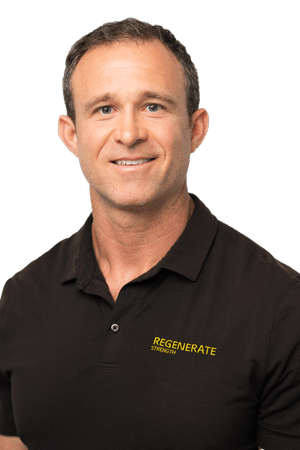
Coach Dave Downey
Regenerate Strength
www.regeneratestrength.com